Hair Fall After Monsoon: Seasonal Shedding or a Bigger Problem?
- 9175003197
- 7741977763
- 11AM - 2PM, 5.30PM - 8.30PM

Hair Fall Treatment
Hair Fall After Monsoon: Seasonal Shedding or a Bigger Problem?
September 10, 2026

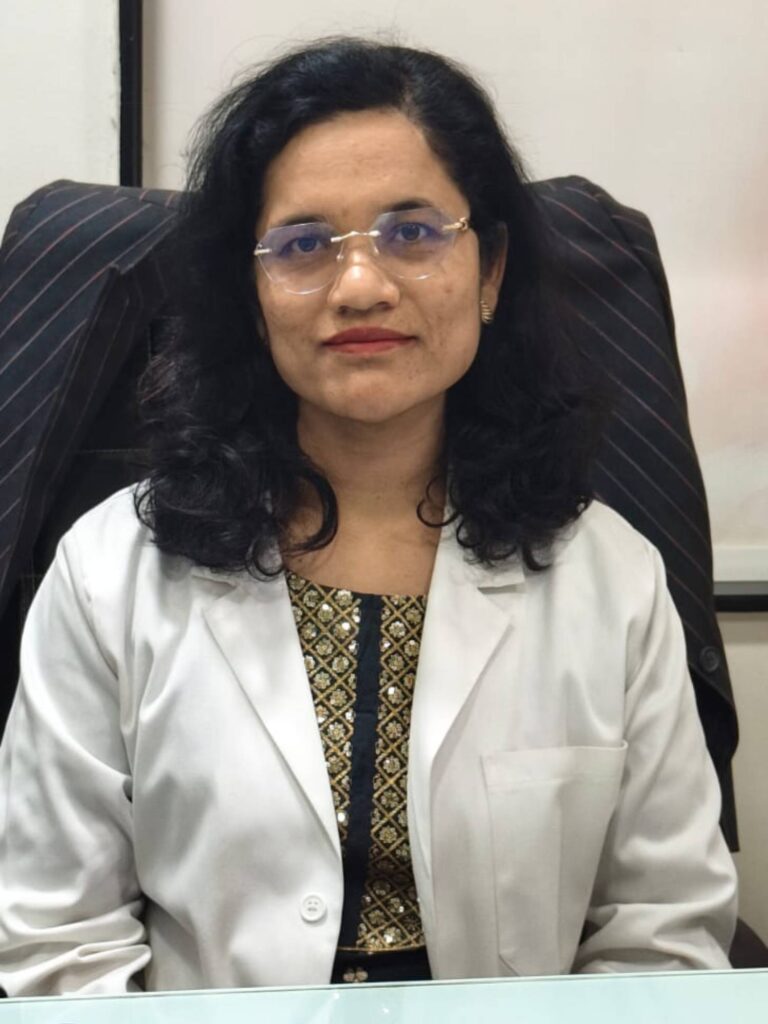
M.B.B.S.D.D.V (Consultant Dermatologist | Kothrud)
Have you noticed more hair on your pillow, comb, shower drain, or clothes after the monsoon?
If your hair seems to be falling more than usual after the rainy season, you may be experiencing post-monsoon hair fall. Changes in humidity, sweating, scalp oiliness, dandruff, infections, and hair-care habits can all contribute to increased shedding.
For some people, this is temporary seasonal shedding. For others, increased hair fall can be a sign of an underlying scalp or hair condition that needs professional evaluation.
Understanding the difference is important. If you’re experiencing persistent or excessive shedding, consulting a dermatologist for hair fall treatment in Kothrud can help identify the actual cause and prevent the problem from progressing.
The monsoon brings high humidity, frequent sweating, damp hair, and changes in scalp conditions. These factors can make existing hair and scalp problems more noticeable.
Here are some common reasons you may experience increased hair fall after the rainy season.
1. Humidity and Sweating Can Affect the Scalp
High humidity can cause increased sweating and oiliness on the scalp. When sweat, oil, pollution, and product residue accumulate, the scalp may feel greasy or uncomfortable.
For people prone to dandruff or scalp inflammation, these conditions can aggravate symptoms and indirectly contribute to increased hair shedding.
Keeping the scalp clean and using products appropriate for your scalp type can help, but persistent symptoms may require dermatologist-guided treatment.
2. Dandruff and Scalp Inflammation
Dandruff and itchy scalp problems can become more noticeable during humid weather.
You may experience:
Itching
Flaking
Scalp redness
Excess oiliness
Increased scratching
Scalp irritation
Scratching an irritated scalp can further damage the skin and contribute to hair breakage or shedding.
If dandruff keeps returning despite using anti-dandruff products, it is worth having your scalp evaluated by a dermatologist.
3. Keeping Hair Damp for Too Long
During the monsoon, hair may remain wet for longer because of rain and humidity.
Regularly tying up wet hair or leaving the scalp damp for extended periods can contribute to scalp discomfort and may worsen existing scalp conditions.
Try to gently dry your hair and avoid tightly tying it while it is wet.
4. Hair Breakage Can Look Like Hair Fall
Not every strand you notice is necessarily falling from the root.
Hair can also break because of:
Frequent heat styling
Chemical treatments
Tight hairstyles
Rough towel drying
Aggressive brushing
Weak or damaged hair shafts
Broken strands are usually shorter and may have a different appearance from naturally shed hairs.
A dermatologist or hair specialist can help determine whether you’re experiencing hair shedding, hair breakage, or both.
Is Post-Monsoon Hair Fall Normal?
Some temporary increase in shedding can happen, but it should not automatically be dismissed as “seasonal.”
Hair naturally goes through different phases:
- Anagen – growth phase
- Catagen – transition phase
- Telogen – resting/shedding phase
When more hairs enter the shedding phase around the same time, you may notice a sudden increase in hair fall.
This can happen after physical or emotional stress, illness, nutritional deficiencies, significant weight changes, or other triggers.
Therefore, if your hair fall is sudden, excessive, or persistent, finding the underlying cause is more important than simply assuming it is seasonal.
When Is Hair Fall a Bigger Problem?
You should consider professional evaluation if your hair fall continues for several weeks or is accompanied by other changes.
Look out for:
- Noticeably increased hair shedding
- Widening of the hair parting
- Reduced hair density
- Receding hairline
- Visible scalp
- Thinning ponytail
- Bald patches
- Persistent dandruff or itching
- Scalp redness or scaling
- Hair loss after an illness or major stress
- Sudden or unexplained hair loss
Early assessment can be particularly useful because different types of hair loss require different approaches.
Common Causes of Persistent Hair Fall
Post-monsoon hair fall may sometimes reveal a problem that was already developing.
Nutritional Deficiencies
Low levels of certain nutrients can contribute to hair shedding in some individuals. Depending on your symptoms and medical history, a dermatologist may recommend appropriate investigations rather than taking supplements blindly.
Stress
Physical or emotional stress can affect the hair growth cycle. Increased shedding may become noticeable weeks or months after a significant stressor.
Hormonal Changes
Hormonal conditions can contribute to hair thinning or increased shedding. In some women, irregular periods or other hormonal symptoms may occur alongside hair loss.
Thyroid or Other Medical Conditions
Certain medical conditions can affect the hair cycle. If your hair fall is persistent or unexplained, your dermatologist may recommend evaluation for possible underlying causes.
Genetic Hair Loss
Androgenetic alopecia can gradually cause thinning in both men and women.
It may initially appear as:
A widening central part
Thinning at the crown
Reduced hair density
Receding hairline
Unlike temporary shedding, genetic hair loss can progressively worsen without appropriate management.
Hair Fall Treatment in Kothrud: What Treatment May Be Recommended?
There is no single treatment that works for every type of hair fall.
At Dr. Sheetal’s Glow Skin, Hair & Laser Center, Dr. Sheetal evaluates the scalp, hair density, pattern of hair loss, and possible contributing factors before recommending treatment.
Depending on the diagnosis, treatment may include a combination of medical care, scalp management, lifestyle guidance, and hair-restoration procedures.
Medical Hair Fall Treatment
If an underlying medical or scalp condition is identified, treating that condition is an important part of controlling hair fall.
Your dermatologist may recommend appropriate topical or oral treatments depending on the diagnosis.
PRP Hair Treatment
Platelet-Rich Plasma (PRP) therapy may be recommended for selected types of hair loss.
PRP uses components derived from your own blood and is injected into the scalp as part of a dermatologist-guided hair treatment plan.
Whether PRP is appropriate depends on the type and stage of hair loss. It is not a universal solution for every cause of shedding.
Mesotherapy for Hair
Hair mesotherapy may be considered in selected cases as part of a broader hair treatment approach.
The treatment plan should be based on an assessment of your scalp and hair-loss pattern rather than choosing a procedure simply because it is popular.
Dandruff and Scalp Treatment
If dandruff, excessive oiliness, or scalp inflammation is contributing to your symptoms, treating the scalp condition can be an important first step.
A healthy scalp environment supports better hair-care outcomes and can help reduce irritation-related shedding.
Why Choose Dr. Sheetal for Hair Fall Treatment in Kothrud?
Hair fall can have several possible causes, which is why treating it without identifying the reason may lead to disappointing results.
At Dr. Sheetal’s Glow Skin, Hair & Laser Center in Kothrud, Dr. Sheetal provides dermatologist-led care for hair and scalp concerns.
The approach focuses on:
- Assessing the pattern and severity of hair loss
- Examining scalp health
- Identifying possible triggers
- Recommending appropriate investigations when required
- Creating a personalized treatment plan
- Monitoring progress over time
- Combining treatments when clinically appropriate
The clinic serves patients from Kothrud, Pune, Baner, Aundh, Karve Nagar, and nearby areas who are looking for professional hair and scalp care.
If you’re searching for hair fall treatment in Kothrud, a personalized dermatology consultation can help determine whether your hair fall is temporary or requires active treatment.
What Can You Do at Home to Reduce Post-Monsoon Hair Fall?
While professional evaluation may be necessary for persistent hair loss, some everyday habits can support scalp and hair health.
Keep Your Scalp Clean
Wash your scalp regularly according to your scalp type, particularly if you sweat heavily or have an oily scalp.
Don’t Tie Wet Hair Tightly
Allow your hair and scalp to dry before tying it up tightly.
Be Gentle With Wet Hair
Wet hair is more vulnerable to breakage. Avoid aggressive brushing or rubbing with a towel.
Avoid Excessive Heat Styling
Frequent use of straighteners, curling irons, and high-heat blow drying can contribute to hair-shaft damage and breakage.
Don’t Self-Medicate With Supplements
Taking multiple hair supplements without identifying a deficiency isn’t always beneficial. If nutritional deficiency is suspected, a dermatologist can recommend appropriate testing and treatment.
Manage Dandruff Early
If you have persistent itching or flakes, don’t keep changing products randomly. A dermatologist can determine whether you have simple dandruff or another scalp condition requiring specific treatment.
How Long Does It Take to See Improvement?
Hair grows slowly, so hair-loss treatment generally requires patience.
The timeline depends on:
- The cause of hair loss
- How long the problem has been present
- Severity of thinning
- Treatment selected
- Individual response
- Consistency with the treatment plan
A reduction in shedding may occur before noticeable improvement in hair density. In many cases, monitoring progress over several months gives a more meaningful picture than judging results after a few weeks.
Don't Ignore Persistent Hair Fall After Monsoon
Seeing extra hair in your comb or shower after the monsoon can be worrying. While some shedding may be temporary, persistent hair loss deserves attention.
The key is to understand why your hair is falling before choosing a treatment.
If your hair fall has continued beyond the monsoon, your hair density is decreasing, or you are noticing thinning or scalp problems, consider getting a professional assessment.
Looking for Hair Fall Treatment in Kothrud?
Dr. Sheetal’s Glow Skin, Hair & Laser Center provides personalized dermatology-led care for hair fall, dandruff, scalp concerns, thinning hair, and selected hair-restoration treatments.
Patients from Kothrud, Pune, Baner, Aundh, Karve Nagar, and nearby areas can consult Dr. Sheetal for an evaluation and personalized treatment plan.
Don’t simply wait for post-monsoon hair fall to disappear. Consult Dr. Sheetal to understand the cause and explore the right hair fall treatment for your needs.
Have A Question?
Have questions about your skin, hair, or aesthetic concerns? Get expert guidance from Dr. Sheetal and discover the right treatment approach for your individual needs.
Recent Posts
September 8, 2026
Skin Cycling in 2026: Is It Safe for Indian Skin or Should You See a Dermatologist?September 5, 2026
Pigmentation After Monsoon: Why Your Dark Spots Look Worse & How to Treat ThemSeptember 3, 2026
Best Treatment for Acne & Oily Skin After Monsoon: When Should You See a Dermatologist?September 1, 2026
Post-Monsoon Skin Problems in Pune: Acne, Pigmentation & Dullness – What Actually Works?What Patients Say's

 manoj shinde
Trustindex verifies that the original source of the review is Google.
I am completely satisfied with solutions provided for control my hair fall and results Ruturaj KambleI went to the Glow skin clinic for acne and dandruff issues. Sheetal ma’am treats very well and analyzes the problem very precisely.My experience with glow skin was awesome
 ritesh mahajanI had pimples for over 3 yrs before i met dr.sheetal. i already had tried alopathy, homeopathy and ayurveda but pimples were not going. After i took dr sheetals medicines and followed her instructions within 70 days my face completly changed and after that treatment there are no pimples on my face. Now its been almost 2 years and im very happy with glow skin and hair clinic kothrud. Thank u!
 Tanvi BhatkalVery effective, The difference was very evident in first month itself

Frequently Asked Questions
Common questions about skin, hair, and nail conditions, treatments, and care. We help patients understand procedures, benefits.
A temporary increase in shedding can occur, but persistent or excessive hair fall should not automatically be considered seasonal. Several other factors, including stress, nutritional deficiencies, scalp conditions, and hormonal or genetic causes, can contribute.
Consider consulting a dermatologist if hair fall is sudden, excessive, persistent, or associated with thinning, bald patches, scalp itching, scaling, redness, or a widening hair part.
PRP may benefit selected types of hair loss, but its suitability depends on the diagnosis and stage of hair loss. A dermatologist should assess your scalp before recommending it.
Dandruff and scalp inflammation can contribute to increased shedding or hair breakage, particularly when there is significant itching and scratching. Treating the underlying scalp condition can help.
The appropriate treatment depends on the cause of your hair loss. A dermatologist may recommend medical treatment, scalp care, PRP, mesotherapy, or a combination approach after evaluating your condition.