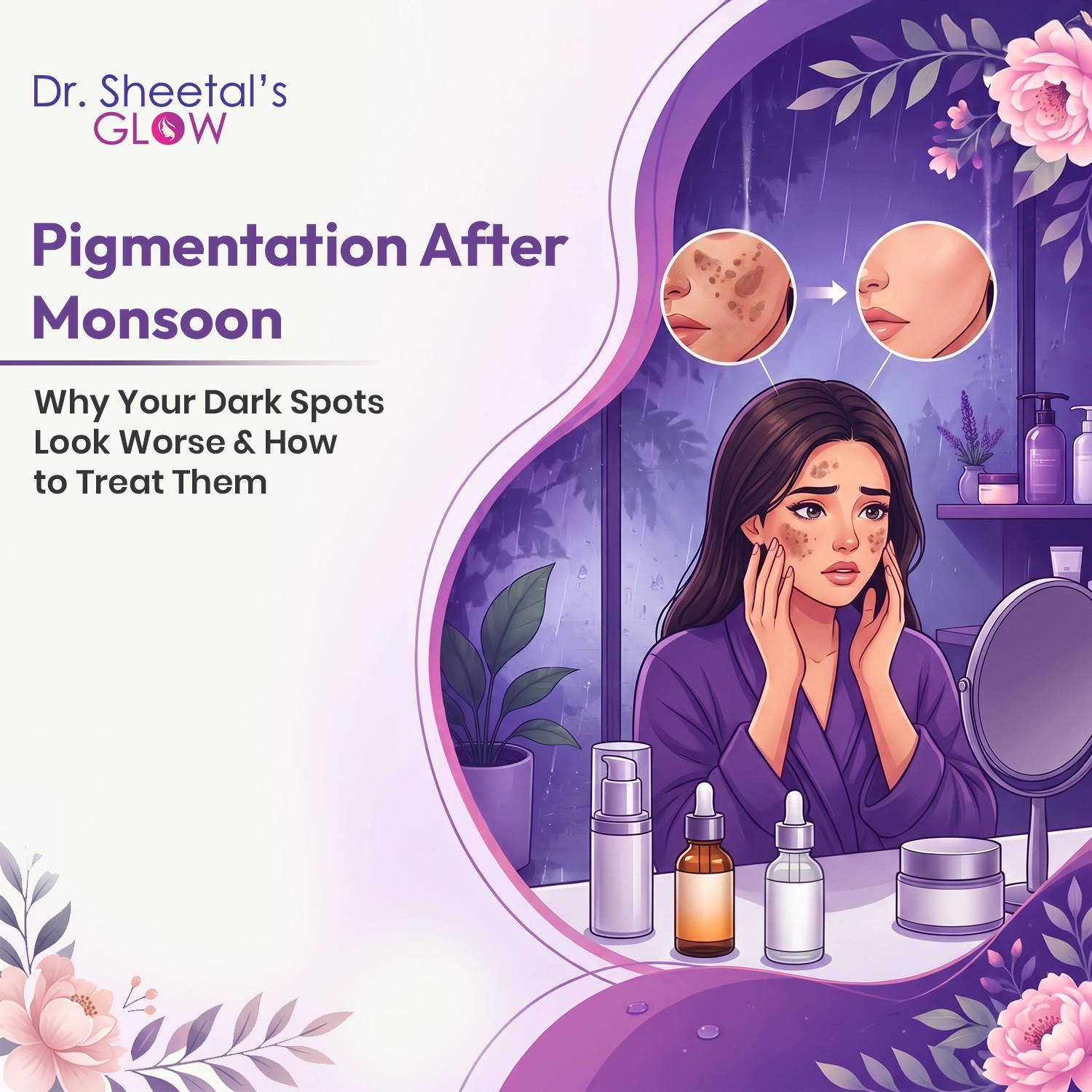
Pigmentation After Monsoon: Why Your Dark Spots Look Worse & How to Treat Them
- 9175003197
- 7741977763
- 11AM - 2PM, 5.30PM - 8.30PM

Skin
Pigmentation After Monsoon: Why Your Dark Spots Look Worse & How to Treat Them
September 5, 2026
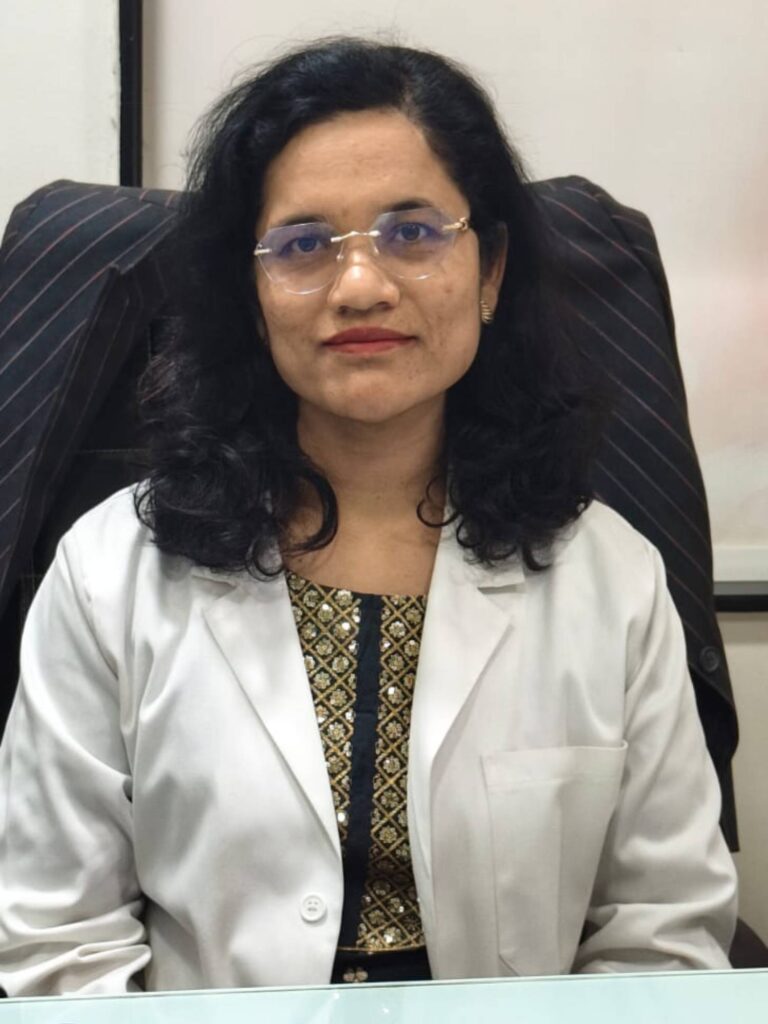
M.B.B.S.D.D.V (Consultant Dermatologist | Kothrud)
Have your dark spots, uneven skin tone, or patches of pigmentation become more noticeable after the monsoon?
You are not alone. Many people notice that their skin looks duller, uneven, or more pigmented when the rainy season ends. Changes in humidity, increased sun exposure, skin inflammation, and inconsistent skincare during the monsoon can all contribute to pigmentation becoming more visible.
If pigmentation is already bothering you, simply waiting for it to fade may not always be enough. The right treatment depends on the type, depth, and cause of your pigmentation.
For people looking for pigmentation treatment in Kothrud, a consultation with an experienced dermatologist such as Dr. Sheetal can help identify the underlying cause and create a personalized treatment plan.
Post-monsoon pigmentation is often the result of several factors working together. Understanding these triggers can help you manage existing dark spots more effectively.
1. Increased Sun Exposure
Cloudy weather during the monsoon can make it easy to underestimate the strength of UV radiation. Even when the sun is not visibly bright, UV exposure can contribute to melanin production.
After the monsoon, outdoor activities often increase, while the skin may still be recovering from months of humidity and inflammation. Repeated UV exposure can make existing pigmentation darker and contribute to new spots.
This is particularly important for people dealing with:
Melasma
Acne marks
Post-inflammatory hyperpigmentation
Sun spots
Uneven skin tone
Tanning
Consistent sunscreen use is therefore an important part of managing pigmentation.
2. Humidity, Sweat & Excess Oil
Monsoon humidity can increase sweating and oil production. This can create an environment where clogged pores, acne, and skin irritation become more common.
If pimples repeatedly develop and heal with dark marks, you may notice increasing pigmentation over time.
This is known as post-inflammatory hyperpigmentation (PIH). The inflammation from acne or other skin conditions can stimulate excess melanin production, leaving brown or dark marks behind after the original problem has disappeared.
3. Skin Inflammation
Inflamed skin is more likely to develop pigmentation, especially in people whose skin tends to leave dark marks after acne, rashes, insect bites, or irritation.
During and after monsoon, conditions such as acne, fungal infections, folliculitis, and irritation may become more noticeable because of heat and humidity.
Scratching, picking pimples, or using harsh products can further irritate the skin and potentially worsen pigmentation.
4. Tanning Can Make Uneven Skin Tone More Obvious
Post-monsoon sun exposure can cause tanning, making existing pigmentation appear darker by comparison.
You may notice:
Darker forehead or cheeks
Uneven complexion
Dark patches around the mouth
Increased facial tanning
More noticeable acne marks
When tanning and pigmentation occur together, treating only one issue may not provide the results you expect.
5. Inconsistent Skincare During the Monsoon
Rainy weather often changes our skincare habits. Some people stop using sunscreen because the weather feels cloudy, while others use heavy products because their skin feels dry or irritated.
A routine that does not suit your skin type can contribute to breakouts, irritation, or dryness—all of which may indirectly worsen pigmentation.
Common Types of Pigmentation You May Notice
Not every dark spot is the same. Identifying the type of pigmentation is an important first step toward choosing an appropriate treatment.
Melasma
Melasma commonly appears as brown or greyish-brown patches, particularly on the cheeks, forehead, nose, and upper lip.
Sun exposure is a major trigger, while hormonal and genetic factors can also play a role. Melasma can be persistent and often requires long-term management.
Post-Acne Pigmentation
Dark marks left behind after pimples are extremely common. They may gradually fade, but persistent or deeper pigmentation can take longer to improve.
Treating the acne and pigmentation together can help prevent new marks from continuously appearing.
Sun-Induced Pigmentation
Repeated UV exposure can cause areas of darker pigmentation and contribute to an uneven complexion.
Without proper sun protection, pigmentation treatments may be less effective and pigmentation may return.
Post-Inflammatory Hyperpigmentation
Skin inflammation from acne, infections, irritation, or injuries can leave behind dark patches.
The best approach is often to control the underlying inflammation while gradually treating the pigmentation.
When Should You Consider Professional Pigmentation Treatment?
If pigmentation is mild and recent, improving sun protection and using a suitable skincare routine may help.
However, professional advice is worth considering if:
- Dark spots are becoming progressively darker
- Pigmentation has persisted for several months
- Melasma keeps returning
- Acne marks are not fading
- Pigmentation is affecting your confidence
- Over-the-counter products are not producing results
- Your skin becomes irritated easily
- You are unsure what type of pigmentation you have
Trying multiple strong creams or home remedies without knowing the cause can sometimes irritate the skin and make pigmentation more noticeable.
Pigmentation Treatment in Kothrud: What Can Help?
There is no single pigmentation treatment that works for everyone. Treatment should be selected according to your skin type, pigmentation pattern, depth, sensitivity, and underlying cause.
At Dr. Sheetal’s Glow Skin, Hair & Laser Center, Dr. Sheetal evaluates the pigmentation before recommending an appropriate treatment approach.
Depending on the individual’s condition, professional pigmentation management may involve a combination of:
Dermatologist-Guided Skincare
Targeted topical treatments can help improve uneven pigmentation and support gradual skin renewal.
A dermatologist can also help determine which active ingredients are appropriate for your skin and how frequently they should be used.
Chemical Peels
Certain professionally selected chemical peels can help improve uneven skin tone, tanning, and some forms of superficial pigmentation by promoting controlled exfoliation and skin renewal.
The type and strength of peel should be selected according to the patient’s skin and pigmentation.
Laser-Based Pigmentation Treatments
For selected pigmentation concerns, laser-based procedures may be considered.
Laser treatment can target pigment more precisely, but the appropriate technology and settings depend on the type and depth of pigmentation. Professional assessment is particularly important because inappropriate laser treatment can sometimes worsen pigmentation.
Q-Switch Laser Treatment
Q-Switch laser technology may be considered for certain pigmentation concerns and can be part of a dermatologist-guided treatment plan.
It is important to understand that pigmentation management is not simply about removing pigment quickly. The goal is to improve the skin while minimizing the risk of recurrence or post-treatment pigmentation.
Personalized Combination Treatment
Some people benefit from combining professional procedures with a carefully planned skincare routine and strict sun protection.
A combination approach can address different contributing factors rather than focusing only on the visible dark spots.
Why Choose Dr. Sheetal for Pigmentation Treatment in Kothrud?
Pigmentation can be complicated because similar-looking dark patches can have different causes. Treating the appearance without identifying the cause may result in temporary improvement or recurrence.
At Dr. Sheetal’s Glow Skin, Hair & Laser Center in Kothrud, Dr. Sheetal provides dermatologist-led evaluation and personalized treatment planning for pigmentation concerns.
The approach focuses on:
- Understanding the type and cause of pigmentation
- Assessing your skin type and sensitivity
- Identifying factors that may be worsening pigmentation
- Selecting suitable professional treatments
- Combining procedures with appropriate skincare when required
- Providing guidance on sun protection
- Monitoring skin response and adjusting treatment when necessary
The clinic provides pigmentation-focused dermatology services for patients from Kothrud and across Pune, including nearby areas such as Baner, Aundh, and Karve Nagar.
If you are searching online for pigmentation treatment in Kothrud, choosing a dermatologist-led approach can help you avoid unnecessary experimentation with multiple products and procedures.
Can Pigmentation Be Completely Removed?
This is one of the most common questions people ask.
The answer depends on the type and cause of pigmentation.
Some superficial pigmentation can respond well to treatment, while conditions such as melasma may require ongoing management because they can recur with sun exposure, hormonal changes, or other triggers.
A realistic goal is to reduce the appearance of pigmentation, improve skin tone, prevent new pigmentation where possible, and maintain the results with appropriate skincare and sun protection.
Patience is also important. Pigmentation often develops gradually, so expecting it to disappear after one treatment may lead to unrealistic expectations.
What Can You Do at Home After Monsoon?
Professional treatment works best when supported by good daily skincare habits.
Use Sunscreen Consistently
Apply a broad-spectrum sunscreen suitable for your skin type and use it consistently, particularly when spending time outdoors.
Avoid Picking Pimples
Squeezing or scratching acne can increase inflammation and the likelihood of post-inflammatory pigmentation.
Avoid Harsh Home Remedies
Lemon juice, abrasive scrubs, or other irritating DIY remedies can damage the skin barrier and potentially make pigmentation worse.
Follow a Consistent Routine
Use gentle cleansing, appropriate moisturization, and dermatologist-recommended active ingredients rather than frequently changing products.
Treat the Underlying Skin Condition
If acne, irritation, or another inflammatory condition is contributing to pigmentation, treating that problem is an important part of preventing new marks.
Don't Let Post-Monsoon Pigmentation Take Over Your Skin
If your dark spots look more noticeable after the monsoon, it does not necessarily mean your skin is permanently damaged. With the right diagnosis, treatment plan, and consistent skincare, pigmentation can often be improved.
If you are experiencing persistent pigmentation, acne marks, tanning, melasma, or an uneven complexion, consider getting your skin evaluated rather than continuously trying different products on your own.
Looking for pigmentation treatment in Kothrud, Pune?
Consult Dr. Sheetal at Dr. Sheetal’s Glow Skin, Hair & Laser Center for expert evaluation and a personalized pigmentation treatment plan suited to your skin.
Patients from Kothrud, Pune, Baner, Aundh, Karve Nagar, and nearby areas can consult the clinic for professional guidance on managing pigmentation and achieving a more even-looking complexion.
Book a consultation with Dr. Sheetal and take the first step toward healthier, clearer-looking skin.
Have A Question?
Have questions about your skin, hair, or aesthetic concerns? Get expert guidance from Dr. Sheetal and discover the right treatment approach for your individual needs.
Recent Posts
September 3, 2026
Best Treatment for Acne & Oily Skin After Monsoon: When Should You See a Dermatologist?September 1, 2026
Post-Monsoon Skin Problems in Pune: Acne, Pigmentation & Dullness – What Actually Works?August 28, 2026
Monsoon Skin Infections: Causes, Symptoms & When to See a DermatologistAugust 24, 2026
Monsoon Hair Fall Treatment: When Should You See a Dermatologist?What Patients Say's

 manoj shinde
Trustindex verifies that the original source of the review is Google.
I am completely satisfied with solutions provided for control my hair fall and results Ruturaj KambleI went to the Glow skin clinic for acne and dandruff issues. Sheetal ma’am treats very well and analyzes the problem very precisely.My experience with glow skin was awesome
 ritesh mahajanI had pimples for over 3 yrs before i met dr.sheetal. i already had tried alopathy, homeopathy and ayurveda but pimples were not going. After i took dr sheetals medicines and followed her instructions within 70 days my face completly changed and after that treatment there are no pimples on my face. Now its been almost 2 years and im very happy with glow skin and hair clinic kothrud. Thank u!
 Tanvi BhatkalVery effective, The difference was very evident in first month itself

Frequently Asked Questions
Common questions about skin, hair, and nail conditions, treatments, and care. We help patients understand procedures, benefits.
Increased sun exposure, humidity, acne, skin inflammation, tanning, and inconsistent sun protection can make existing pigmentation more noticeable after the monsoon.
There is no universal treatment for pigmentation. Depending on the cause, a dermatologist may recommend skincare, chemical peels, laser-based procedures, Q-Switch laser treatment, or a combination approach.
Yes. Acne-related inflammation can leave dark marks called post-inflammatory hyperpigmentation. Preventing and treating acne can help reduce the formation of new marks.
The timeline varies depending on the type and depth of pigmentation, skin type, treatment selected, and individual response. Pigmentation usually requires consistent treatment and maintenance rather than an instant solution.
Yes. Certain pigmentation conditions, particularly melasma, can recur. Sun protection and an appropriate maintenance routine are important for helping manage recurrence.