Pigmentation Treatment in Kothrud: Why Dark Spots Happen & Which Treatments May Help?
- 9175003197
- 7741977763
- 11AM - 2PM, 5.30PM - 8.30PM

Skin
Best Treatment for Acne & Oily Skin After Monsoon: When Should You See a Dermatologist?
September 3, 2026

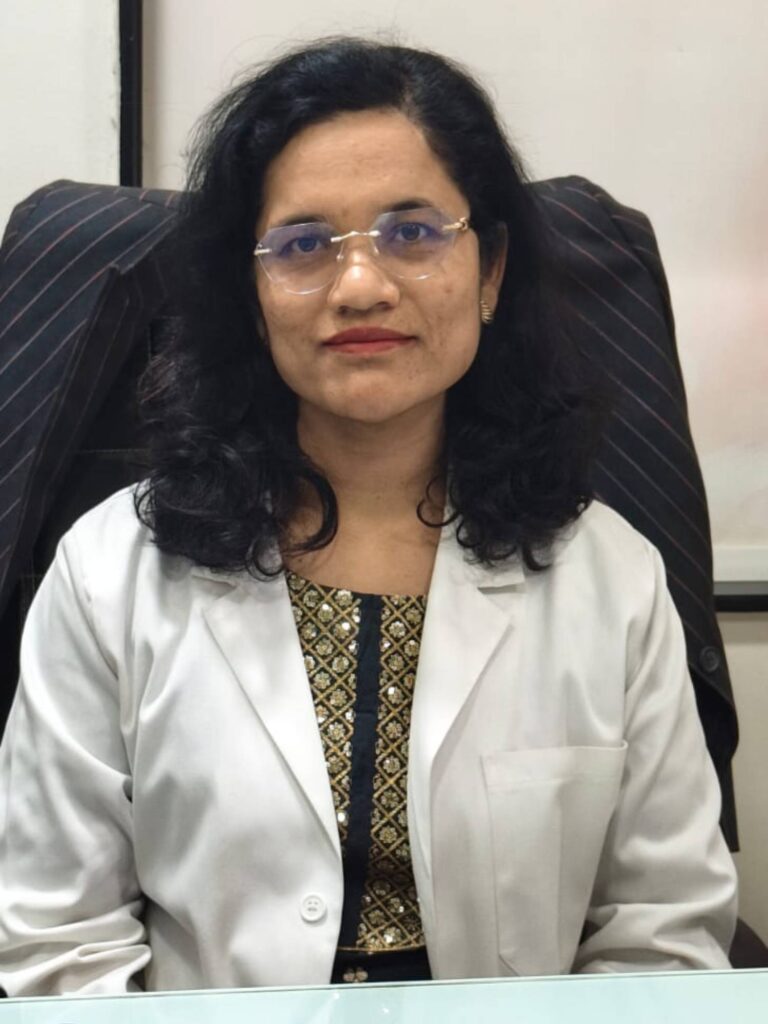
M.B.B.S.D.D.V (Consultant Dermatologist | Kothrud)
Monsoon can be refreshing for Pune, but your skin may not feel the same way. Increased humidity, sweating, excess oil and clogged pores can make acne and oily skin more noticeable. Even after the rains start to reduce, breakouts may continue into September.
If you are dealing with frequent pimples, blackheads, whiteheads, oily skin or acne marks, changing products repeatedly may not be the best solution. The right acne treatment in Kothrud depends on your acne type, severity, skin type and whether you are already developing marks or scars.
So, when is it time to see a dermatologist—and what treatments can actually help?
Humidity and sweating can increase oiliness and make the skin feel greasy. When excess sebum combines with dead skin cells and other impurities, pores can become clogged.
For acne-prone skin, this may contribute to:
- Whiteheads and blackheads
- Small bumps and clogged pores
- Red or inflamed pimples
- Increased oiliness
- Acne marks
- Occasional painful breakouts
Your skincare routine, hair products, makeup, stress, hormones and genetics can also influence acne. Therefore, simply blaming the weather may not solve the problem.
Is Oily Skin Always the Cause of Acne?
Not necessarily.
Oily skin can contribute to clogged pores, but acne is a complex skin condition involving factors such as excess sebum, blocked follicles, inflammation and changes involving skin microorganisms.
This is why using harsh products to “dry out” your skin can sometimes make your skin irritated without actually treating the acne.
A dermatologist can assess your skin and identify the type and severity of acne before recommending treatment.
What Is the Best Treatment for Acne?
There is no single acne treatment that works for everyone.
Treatment depends on whether you have mild comedonal acne, inflammatory acne, deeper painful acne, acne marks or scarring.
Depending on the condition, a dermatologist may recommend one or more approaches.
1. Medical Acne Treatment
For mild to moderate acne, dermatologist-recommended topical treatments may help control clogged pores and inflammation.
These can include ingredients such as retinoids, benzoyl peroxide, salicylic acid or other prescription treatments, depending on your individual condition.
The important point is to use them correctly. Applying multiple strong active ingredients without professional guidance can cause dryness, irritation and skin-barrier problems.
2. Acne Treatment for Persistent or Inflammatory Acne
If your acne is recurring, painful or becoming more inflamed, you may require a more structured treatment plan.
Depending on the severity, a dermatologist may consider prescription medications or other treatment options.
Persistent inflammatory acne should not be ignored because uncontrolled acne can increase the risk of post-acne pigmentation and scarring.
3. Chemical Peels for Selected Acne-Prone Skin
Certain professional chemical peels may be recommended for suitable patients with acne, clogged pores or excess oil.
Peels can help improve skin texture and congestion, but they aren’t appropriate for everyone.
The type, concentration and frequency should be selected according to your skin condition rather than choosing a peel simply because it is trending online.
4. Treatment for Acne Marks
Once active acne is controlled, many people become concerned about the dark marks left behind.
These marks may gradually improve, but persistent pigmentation can require targeted treatment.
A dermatologist may recommend a combination of:
- Sunscreen
- Topical treatments
- Chemical peels
- Pigmentation-focused procedures
- Laser-based treatments for selected cases
The first priority, however, is controlling ongoing acne. Treating marks while new pimples continue appearing may not give the desired long-term result.
5. Acne Scar Treatment
Acne scars are different from temporary acne marks.
Depressed or textured scars may require procedures such as microneedling, fractional laser treatments, subcision or other dermatologist-selected approaches.
The right procedure depends on the type and depth of scarring.
This is why professional assessment is important before investing in an acne scar treatment.
When Should You See a Dermatologist for Acne?
You don’t necessarily need to wait until acne becomes severe.
Consider consulting a dermatologist if:
- Acne keeps returning despite skincare
- Pimples are painful or deep
- You are developing acne scars
- Dark acne marks are increasing
- Breakouts are affecting your confidence
- Acne is spreading to the chest or back
- Over-the-counter products aren’t helping
- You are unsure which products are suitable for your skin
Early treatment can help control acne and reduce the risk of persistent marks and scarring.
What About Home Remedies for Oily Skin?
Many home remedies are promoted online for controlling oil and acne. Lemon juice, baking soda, toothpaste and aggressive scrubbing are examples of approaches that can irritate the skin.
Instead of trying to completely remove natural skin oils, focus on maintaining a healthy skin barrier.
A simple routine can include:
Morning
Cleanser → Moisturizer → Sunscreen
Night
Cleanser → Dermatologist-recommended acne treatment → Moisturizer
The exact products and active ingredients should be chosen according to your skin type and acne.
How to Manage Oily, Acne-Prone Skin After Monsoon
Along with professional treatment, a few everyday habits can support acne management:
Cleanse gently
Use a suitable cleanser rather than repeatedly washing your face.
Don’t squeeze pimples
Picking acne can increase inflammation and contribute to marks and scars.
Choose non-comedogenic products
Look for skincare and makeup products that are suitable for acne-prone skin.
Keep your hair and scalp clean
Oil and styling products that come into contact with facial skin can sometimes contribute to breakouts around the forehead and hairline.
Change pillowcases regularly
Keeping items that frequently touch your face clean is a simple hygiene habit.
Don’t skip sunscreen
Acne marks can become more noticeable with UV exposure, so daily sun protection remains important.
Acne Treatment in Kothrud: Why Professional Evaluation Matters
If you are searching online for acne treatment in Kothrud, you may find numerous creams, facials, peels and home remedies.
But acne treatment should not be a one-size-fits-all process.
At Dr Sheetal’s Glow Skin, Hair & Laser Center, acne concerns can be assessed based on the individual’s skin type, acne severity, history and treatment goals.
Dr. Sheetal Kulkarni Kothekar, MBBS, DDV, provides dermatological care for acne, acne marks, pigmentation, skin rejuvenation and other skin concerns.
Depending on your condition, your treatment plan may involve medical skincare, procedures or a combination approach.
The goal is to address the underlying acne while also reducing the chances of recurring breakouts, persistent marks and scarring.
Looking for Acne Treatment in Kothrud?
If post-monsoon breakouts, oily skin or recurring acne are becoming difficult to manage, don’t keep experimenting with different products.
A dermatologist can help identify what is driving your acne and create a treatment plan suited to your skin.
If you’re searching for acne treatment in Kothrud, consult Dr Sheetal’s Glow Skin, Hair & Laser Center for personalized dermatological care in Kothrud, Pune.
Book a consultation with Dr. Sheetal and take the first step toward clearer, healthier-looking skin.
Have A Question?
Have questions about your skin, hair, or aesthetic concerns? Get expert guidance from Dr. Sheetal and discover the right treatment approach for your individual needs.
Recent Posts
September 26, 2026
Dark Circles in 2026: Why They Happen & Which Treatment May Actually Help?September 24, 2026
Best Skin Treatment Before Diwali & Wedding Season: When Should You Start?September 22, 2026
How to Remove Tan & Uneven Skin Tone After Monsoon: Treatments That Dermatologists RecommendSeptember 19, 2026
Laser Hair Removal in 2026: Is September a Good Time to Start Treatment?What Patients Say's

 manoj shinde
Trustindex verifies that the original source of the review is Google.
I am completely satisfied with solutions provided for control my hair fall and results Ruturaj KambleI went to the Glow skin clinic for acne and dandruff issues. Sheetal ma’am treats very well and analyzes the problem very precisely.My experience with glow skin was awesome
 ritesh mahajanI had pimples for over 3 yrs before i met dr.sheetal. i already had tried alopathy, homeopathy and ayurveda but pimples were not going. After i took dr sheetals medicines and followed her instructions within 70 days my face completly changed and after that treatment there are no pimples on my face. Now its been almost 2 years and im very happy with glow skin and hair clinic kothrud. Thank u!
 Tanvi BhatkalVery effective, The difference was very evident in first month itself

Frequently Asked Questions
Common questions about skin, hair, and nail conditions, treatments, and care. We help patients understand procedures, benefits.
Acne can become more noticeable during and after humid weather because sweating and excess oil can contribute to clogged pores. However, acne can have several contributing factors beyond weather.
There is no single best treatment for everyone. A dermatologist can determine whether you need topical medication, prescription treatment, chemical peels or other procedures based on your acne.
Yes, acne marks can often be improved with appropriate skincare and professional treatments. The treatment depends on whether the marks are pigmentation or true acne scars.
If acne is persistent, recurrent or leaving marks, early consultation can be helpful—even if the acne isn't severe.
Hydrafacial may help with cleansing, exfoliation and hydration for selected patients, but it should not be considered a replacement for medical acne treatment. A dermatologist can determine whether it is appropriate for your skin.