Pigmentation Treatment in Kothrud: Why Dark Spots Happen & Which Treatments May Help?
- 9175003197
- 7741977763
- 11AM - 2PM, 5.30PM - 8.30PM

Hair Fall Treatment
PRP Hair Treatment for Hair Fall: Who Is a Good Candidate & When Does It Work?
September 15, 2026

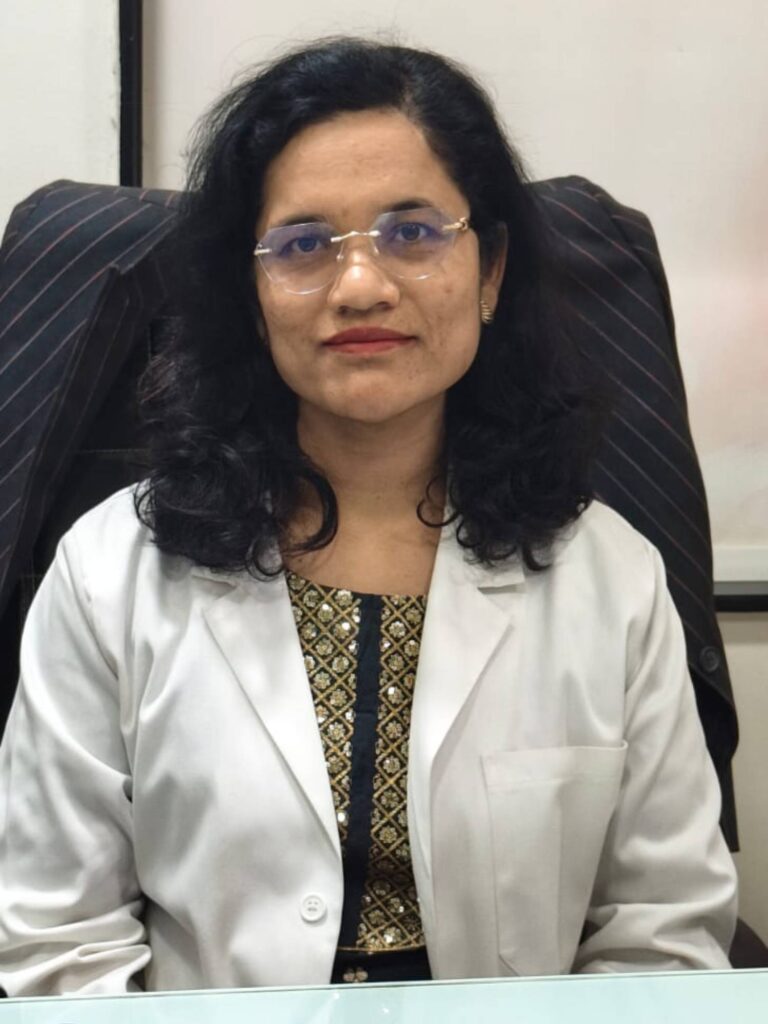
M.B.B.S.D.D.V (Consultant Dermatologist | Kothrud)
If you’ve already tried changing shampoos, improving your diet, and following different hair-care routines but your hair fall is still continuing, you may be wondering what treatment to consider next.
One treatment that has gained attention for certain types of hair loss is PRP hair treatment.
PRP, or Platelet-Rich Plasma therapy, is a dermatologist-guided procedure that uses components obtained from your own blood and delivers them into the scalp. It may be considered for selected types of hair thinning and hair loss, but it isn’t suitable for everyone.
So, who is a good candidate for PRP, and when can you expect results?
If you’re considering PRP hair treatment in Kothrud, understanding the procedure, its potential benefits, limitations, and the importance of proper diagnosis can help you make a more informed decision.
PRP stands for Platelet-Rich Plasma.
During PRP therapy, a small amount of your blood is collected and processed to separate the plasma component containing a higher concentration of platelets. The prepared PRP is then administered into selected areas of the scalp using injections.
Platelets contain various growth factors that may support the hair follicles and the surrounding scalp environment.
PRP is generally considered a treatment option for certain forms of hair thinning rather than a universal cure for every type of hair loss.
The first step should therefore be understanding why your hair is falling or thinning.
How Does PRP Work for Hair Loss?
Hair growth is a complex biological process involving the hair follicle and its surrounding tissue.
In suitable candidates, PRP may help support the activity of weakened or miniaturized hair follicles.
The potential goals of PRP treatment include:
- Supporting weakened hair follicles
- Improving hair density in selected cases
- Reducing ongoing hair shedding
- Supporting the growth phase of hair follicles
- Improving the overall appearance of thinning areas
However, results vary between individuals.
PRP is generally more likely to be useful when viable but weakened hair follicles are still present. It may be less effective when an area has been completely bald for a long period.
Who Is a Good Candidate for PRP Hair Treatment?
PRP isn’t appropriate for every person experiencing hair fall.
A dermatologist may consider PRP for people with certain types of non-scarring hair loss, particularly when the hair follicles are still present but producing thinner or weaker hairs.
You may be considered for PRP if you have:
Early or Moderate Hair Thinning
People with early-stage thinning may have better potential for improvement because affected follicles may still be active.
Pattern Hair Loss
PRP may be considered as part of a treatment plan for androgenetic alopecia, commonly known as pattern hair loss.
This can occur in both men and women.
Men may notice:
Receding hairline
Thinning at the crown
Gradual reduction in overall density
Women may notice:
Widening of the central part
Reduced hair density
Thinning around the crown
Persistent Hair Thinning Despite Hair Care
If you’ve already improved your hair-care routine but continue to experience progressive thinning, it may be time for a professional assessment.
PRP may be considered if the diagnosis and scalp condition make you a suitable candidate.
Who May Not Be a Good Candidate?
PRP isn’t a magic solution for all forms of hair loss.
It may not be appropriate as the primary treatment when hair loss is caused by certain conditions that require a different approach.
For example, a dermatologist may need to investigate other causes when there is:
- A sudden increase in hair shedding
- Significant nutritional deficiency
- Untreated scalp inflammation
- Active scalp infection
- Certain hormonal or medical conditions
- Advanced scarring alopecia
- Long-standing areas of complete baldness
In these situations, treating the underlying cause is often more important than immediately starting PRP.
This is why a dermatologist consultation before PRP is so important.
PRP Hair Treatment in Kothrud: Why Diagnosis Comes First
One of the biggest mistakes people make is choosing a hair treatment before determining the type of hair loss.
Hair fall can have many causes, including:
- Genetic hair loss
- Stress
- Nutritional deficiencies
- Hormonal changes
- Thyroid disorders
- Recent illness
- Scalp conditions
- Certain medications
- Autoimmune conditions
- Changes in the hair-growth cycle
Two people may have similar-looking hair fall but require completely different treatments.
At Dr. Sheetal’s Glow Skin, Hair & Laser Center in Kothrud, Dr. Sheetal evaluates the pattern of hair loss and scalp health before recommending PRP or other treatments.
The goal is to determine whether PRP is actually appropriate for you rather than recommending a procedure simply because it is popular.
What Happens During PRP Hair Treatment?
While the exact protocol may vary, PRP treatment generally involves several steps.
Step 1: Consultation and Assessment
Your dermatologist assesses your hair loss pattern, scalp condition, medical history, and previous treatments.
The cause and stage of hair loss are important considerations before proceeding.
Step 2: Blood Collection
A small quantity of your blood is collected.
Step 3: PRP Preparation
The blood is processed to separate the platelet-rich plasma from other components.
Step 4: Scalp Administration
The prepared PRP is injected into selected areas of the scalp where treatment is required.
Step 5: Follow-Up
Hair growth takes time, so follow-up is important for evaluating the response and deciding whether additional sessions or other treatments are appropriate.
Does PRP Hair Treatment Hurt?
PRP involves multiple small injections into the scalp, so some people may experience temporary discomfort.
The level of discomfort can vary depending on individual sensitivity and the treatment area.
Your dermatologist can explain the procedure and appropriate comfort measures during your consultation.
Temporary effects such as mild redness, swelling, tenderness, or sensitivity may occur after treatment.
When Does PRP Start Showing Results?
This is one of the most important things to understand before starting PRP.
PRP is not an instant hair-growth treatment.
Hair follicles need time to respond, and hair itself grows slowly.
Depending on the individual and the underlying condition, changes may become noticeable gradually over the following weeks and months.
You may first notice a reduction in shedding before seeing a meaningful change in hair density.
The response can depend on:
- Type of hair loss
- Stage of hair loss
- Age
- Overall health
- Scalp condition
- Treatment protocol
- Individual response
- Consistency with recommended treatment
Your dermatologist can give you a more realistic expectation after assessing your hair and scalp.
How Many PRP Sessions Are Needed?
There isn’t one fixed number of sessions that is appropriate for everyone.
Treatment frequency and the number of sessions depend on the individual’s diagnosis, severity of hair loss, response to treatment, and overall treatment plan.
Some people may require an initial series of sessions followed by maintenance treatment.
Your dermatologist can recommend a schedule based on your specific needs rather than following a generic package.
Can PRP Regrow Hair on a Completely Bald Area?
PRP works best when viable hair follicles are still present.
If an area has been completely bald for a long time, there may be limited potential for PRP alone to restore substantial hair growth.
This is why early evaluation is important when you notice progressive thinning.
Don’t wait until significant hair density has been lost before seeking professional advice.
PRP vs. Hair Supplements: Which Is Better?
Hair supplements are often marketed as a quick solution for hair fall.
However, supplements are most useful when there is an actual nutritional deficiency or a specific reason for supplementation.
PRP and supplements serve completely different purposes.
PRP is a procedure aimed at supporting selected hair follicles, while supplements may address nutritional needs when required.
A dermatologist can determine whether you need:
- Nutritional evaluation
- Supplements
- Medical hair-loss treatment
- PRP
- Scalp treatment
- A combination of approaches
Taking multiple supplements without identifying a deficiency isn’t necessarily helpful.
Can PRP Be Combined With Other Hair Treatments?
Yes, in selected cases, PRP may be incorporated into a broader hair-loss management plan.
Depending on the diagnosis, a dermatologist may combine PRP with appropriate medical treatments, topical therapies, scalp care, or other hair-restoration approaches.
The combination should be personalized.
More treatments do not automatically mean better results.
Why Choose Dr. Sheetal for PRP Hair Treatment in Kothrud?
Choosing PRP simply because you saw before-and-after photographs online may not be enough.
The important question is whether PRP is suitable for your specific type of hair loss.
At Dr. Sheetal’s Glow Skin, Hair & Laser Center, Dr. Sheetal provides dermatologist-led evaluation and personalized treatment planning for hair and scalp concerns.
The approach includes:
- Assessment of hair-loss patterns
- Scalp evaluation
- Identification of possible contributing factors
- Appropriate investigations when required
- Personalized treatment planning
- PRP for suitable candidates
- Monitoring response over time
- Advice on maintaining hair and scalp health
The clinic serves patients from Kothrud, Pune, Baner, Aundh, Karve Nagar, and nearby areas who are looking for professional hair-loss and scalp care.
If you’re searching for PRP hair treatment in Kothrud, getting a proper diagnosis before beginning treatment can help you understand whether PRP is likely to benefit you.
How Can You Support Your Hair During Treatment?
PRP is only one part of a comprehensive approach to hair health.
You can support your treatment by:
Eating a Balanced Diet
Adequate protein and overall nutrition are important for normal hair growth.
Managing Stress
Chronic stress can affect the hair-growth cycle in some individuals. Sleep, regular physical activity, and stress-management strategies may support overall wellbeing.
Treating Scalp Problems
Persistent dandruff, itching, inflammation, or scalp infections should be addressed rather than ignored.
Avoiding Excessive Hair Damage
Limit unnecessary heat styling, tight hairstyles, aggressive brushing, and repeated chemical treatments.
Following Your Treatment Plan
Consistency matters. Follow the post-treatment instructions and attend recommended follow-ups.
Don't Choose a Hair Treatment Before Knowing the Cause
When hair fall becomes persistent, it’s natural to search for a treatment that promises quick results.
But the best hair-loss treatment isn’t necessarily the most popular one.
PRP can be a useful option for selected patients, particularly when treatment is started while viable hair follicles are still present. However, the right treatment depends on the type, cause, and stage of hair loss.
If you’ve moved beyond asking “Why is my hair falling?” and are now asking “What treatment should I take?”, the next step should be a professional assessment.
Looking for PRP Hair Treatment in Kothrud?
Dr. Sheetal’s Glow Skin, Hair & Laser Center provides personalized dermatologist-led care for hair fall, thinning hair, dandruff, scalp concerns, and selected hair-restoration treatments.
Patients from Kothrud, Pune, Baner, Aundh, Karve Nagar, and nearby areas can consult Dr. Sheetal for an evaluation and personalized treatment plan.
Book a consultation with Dr. Sheetal to find out whether PRP hair treatment is right for your hair-loss condition.
Have A Question?
Have questions about your skin, hair, or aesthetic concerns? Get expert guidance from Dr. Sheetal and discover the right treatment approach for your individual needs.
Recent Posts
September 26, 2026
Dark Circles in 2026: Why They Happen & Which Treatment May Actually Help?September 24, 2026
Best Skin Treatment Before Diwali & Wedding Season: When Should You Start?September 22, 2026
How to Remove Tan & Uneven Skin Tone After Monsoon: Treatments That Dermatologists RecommendSeptember 19, 2026
Laser Hair Removal in 2026: Is September a Good Time to Start Treatment?What Patients Say's

 manoj shinde
Trustindex verifies that the original source of the review is Google.
I am completely satisfied with solutions provided for control my hair fall and results Ruturaj KambleI went to the Glow skin clinic for acne and dandruff issues. Sheetal ma’am treats very well and analyzes the problem very precisely.My experience with glow skin was awesome
 ritesh mahajanI had pimples for over 3 yrs before i met dr.sheetal. i already had tried alopathy, homeopathy and ayurveda but pimples were not going. After i took dr sheetals medicines and followed her instructions within 70 days my face completly changed and after that treatment there are no pimples on my face. Now its been almost 2 years and im very happy with glow skin and hair clinic kothrud. Thank u!
 Tanvi BhatkalVery effective, The difference was very evident in first month itself
Frequently Asked Questions
Common questions about skin, hair, and nail conditions, treatments, and care. We help patients understand procedures, benefits.
No. PRP is most relevant to selected types of non-scarring hair loss. The underlying cause and stage of hair loss should be evaluated before treatment.
PRP does not produce instant results. Improvement, when it occurs, is generally gradual and may become noticeable over weeks to months.
PRP should not be viewed as a permanent cure for hair loss. Some conditions require ongoing management and maintenance treatment to help preserve results.
The number and frequency of sessions vary depending on your hair-loss pattern, severity, response, and treatment plan. Your dermatologist can recommend an appropriate schedule after assessment.
PRP uses components obtained from your own blood, but it is still a medical procedure involving scalp injections. A qualified medical professional should determine whether it is appropriate for you and perform it under suitable clinical conditions.
You can consult Dr. Sheetal at Dr. Sheetal’s Glow Skin, Hair & Laser Center in Kothrud for a professional evaluation of hair loss and to determine whether PRP is suitable for your condition.