Pigmentation Treatment in Kothrud: Why Dark Spots Happen & Which Treatments May Help?
- 9175003197
- 7741977763
- 11AM - 2PM, 5.30PM - 8.30PM

Hair Fall Treatment
Dandruff & Itchy Scalp After Monsoon: Best Treatment for Persistent Scalp Problems
September 12, 2026

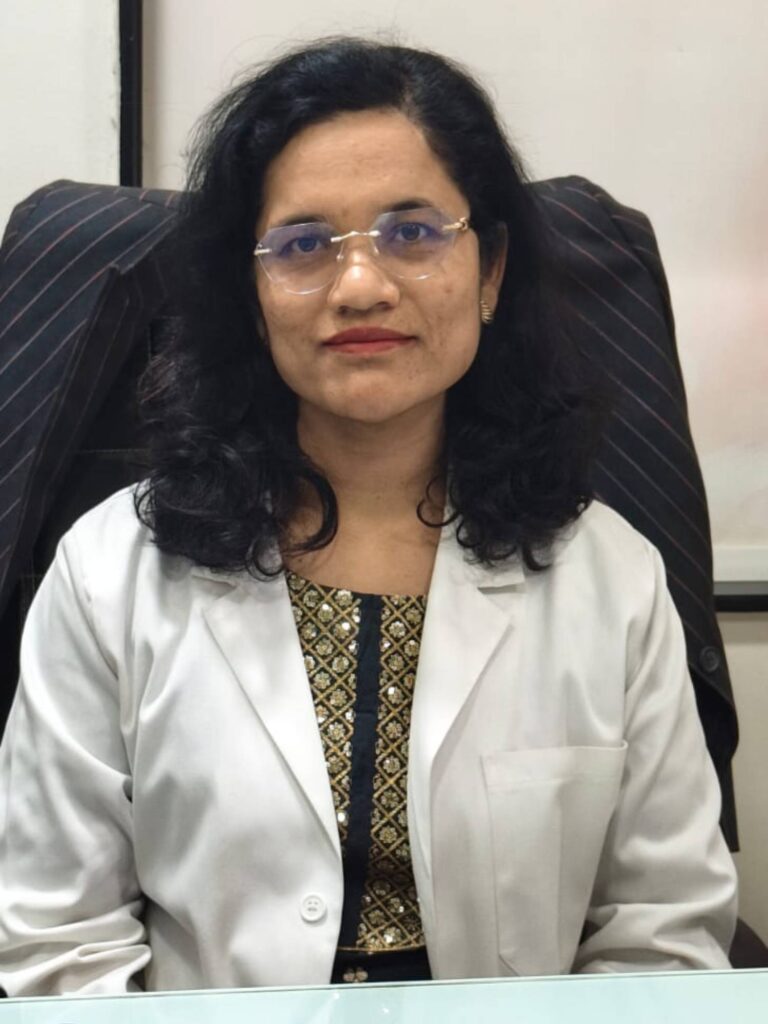
M.B.B.S.D.D.V (Consultant Dermatologist | Kothrud)
Is your scalp still itchy, oily, flaky, or uncomfortable even though the monsoon is ending?
Dandruff and itchy scalp are common during and after the rainy season. Increased humidity, sweating, oil buildup, pollution, and keeping the scalp damp for longer periods can create the right environment for persistent scalp problems.
For some people, occasional flaking may settle with a suitable anti-dandruff shampoo. But when dandruff keeps returning, itching becomes intense, or you notice redness and increased hair fall, repeatedly changing shampoos may not be enough.
If you are experiencing persistent scalp problems, consulting a dermatologist for dandruff treatment in Kothrud can help identify the underlying cause and provide a treatment plan suited to your scalp.
The monsoon creates several conditions that can affect scalp health.
1. High Humidity and Sweating
Pune’s humid weather during the rainy season can increase sweating and oiliness of the scalp. Sweat, sebum, dead skin cells, and product buildup can make the scalp feel greasy and uncomfortable.
A persistently oily scalp can also encourage the overgrowth of naturally occurring scalp microorganisms associated with dandruff in susceptible individuals.
2. Keeping the Scalp Damp
Getting caught in the rain or washing your hair frequently may leave the scalp damp for longer.
A consistently moist environment can aggravate certain scalp conditions, particularly if you already have dandruff, seborrheic dermatitis, or another scalp problem.
3. Oil and Product Buildup
Using excessive hair oils, styling products, or heavy conditioners directly on the scalp can sometimes contribute to buildup.
This doesn’t mean you need to stop using hair oil or conditioner altogether. Instead, products should be used appropriately according to your scalp and hair type.
4. Scalp Inflammation
Persistent dandruff isn’t always just “dry skin.”
When the scalp becomes inflamed, you may experience:
Redness
Itching
Greasy or white/yellow flakes
Burning or irritation
Increased sensitivity
If these symptoms persist, the problem may require medical evaluation rather than cosmetic dandruff care alone.
Is It Dandruff or Something Else?
One of the biggest mistakes people make is assuming that every flaky scalp is dandruff.
Several scalp conditions can produce similar symptoms.
Dandruff
Dandruff commonly causes visible flakes and itching without significant inflammation.
Seborrheic Dermatitis
Seborrheic dermatitis can cause more persistent flaking, itching, redness, and greasy scales. It commonly affects areas with more oil-producing glands, including the scalp.
Scalp Psoriasis
Psoriasis can produce thicker, more defined scales and may extend beyond the hairline. It requires a different treatment approach from ordinary dandruff.
Fungal or Other Scalp Infections
Certain infections can cause scaling, itching, inflammation, or even areas of hair loss. These conditions require appropriate diagnosis and treatment.
Contact Dermatitis
Hair dyes, shampoos, fragrances, styling products, or other substances can trigger irritation or an allergic reaction in some individuals.
This is why persistent dandruff shouldn’t always be treated by simply buying a stronger anti-dandruff shampoo.
Can Dandruff Cause Hair Fall?
Dandruff itself does not necessarily cause permanent hair loss.
However, an inflamed and itchy scalp can contribute to increased shedding or hair breakage. Frequent scratching can also damage the scalp and weaken hair shafts.
You may notice more hair fall when dandruff is accompanied by:
- Intense itching
- Scalp inflammation
- Excessive scratching
- Scaling
- Hair breakage
- Other underlying scalp conditions
If dandruff and hair fall occur together, it is better to have both concerns assessed rather than treating them separately without identifying the cause.
When Should You See a Dermatologist?
Occasional dandruff may be manageable with appropriate scalp care. However, professional evaluation is recommended when symptoms are persistent or severe.
Consider seeing a dermatologist if:
- Dandruff keeps coming back
- Itching is affecting your daily routine
- Your scalp is red or inflamed
- You have thick or stubborn scales
- Your scalp feels painful or burns
- You notice increased hair fall
- There are bald patches or areas of reduced hair density
- Over-the-counter shampoos aren’t helping
- Symptoms spread to your eyebrows, ears, beard, or other areas
- Your scalp condition keeps getting worse
Early evaluation can help prevent you from spending months experimenting with unsuitable products.
Dandruff Treatment in Kothrud: What Are the Options?
The best treatment depends on the actual cause of your scalp symptoms.
At Dr. Sheetal’s Glow Skin, Hair & Laser Center, Dr. Sheetal evaluates scalp symptoms and recommends treatment based on the individual’s condition, severity, scalp type, and associated hair concerns.
Depending on the diagnosis, treatment may include:
Medicated Anti-Dandruff Shampoos
Dermatologists may recommend shampoos containing specific anti-dandruff or antifungal ingredients.
The choice of active ingredient, frequency of use, and duration can vary depending on the condition.
Using a medicated shampoo incorrectly—or using it much more frequently than recommended—can sometimes cause dryness or irritation.
Treatment for Scalp Inflammation
If inflammation is contributing to itching and scaling, your dermatologist may recommend appropriate medical treatment to calm the scalp.
This is particularly important when symptoms are due to conditions such as seborrheic dermatitis, psoriasis, or contact dermatitis.
Antifungal Treatment
Some forms of persistent dandruff are associated with an imbalance or overgrowth of naturally occurring yeast on the scalp.
In such cases, dermatologist-guided antifungal treatment may be recommended.
The treatment should be selected based on the diagnosis rather than assuming every itchy scalp requires the same medication.
Personalized Scalp-Care Routine
Your dermatologist may also recommend changes to your regular hair-care routine, such as:
How frequently to wash your hair
Which shampoo is appropriate
How to use medicated shampoo
How to manage scalp oiliness
How to avoid unnecessary product buildup
How to care for the scalp after sweating or getting wet in the rain
A personalized routine can be particularly useful if your scalp is both oily and sensitive.
Why Choose Dr. Sheetal for Dandruff Treatment in Kothrud?
Persistent dandruff can be frustrating, especially when symptoms temporarily improve and then return.
At Dr. Sheetal’s Glow Skin, Hair & Laser Center in Kothrud, Dr. Sheetal provides dermatologist-led care for dandruff, itchy scalp, scalp inflammation, hair fall, and other hair and scalp concerns.
The treatment approach focuses on identifying the reason behind persistent symptoms rather than simply masking flakes.
Your consultation may involve evaluating:
- Scalp condition
- Type and severity of scaling
- Redness or inflammation
- Hair density and hair fall
- Existing hair-care practices
- Possible triggers
- Response to previous treatments
Based on the assessment, Dr. Sheetal can create a personalized treatment plan.
The clinic serves patients from Kothrud and nearby areas of Pune, including Baner, Aundh, and Karve Nagar, making it a convenient option for people searching for dandruff treatment in Kothrud and professional scalp care.
What Can You Do at Home for Post-Monsoon Dandruff?
Professional treatment is important for persistent scalp problems, but your daily habits also matter.
Keep Your Scalp Clean
Wash your scalp regularly according to its oiliness and your dermatologist’s recommendations.
If you sweat heavily, leaving sweat and oil on the scalp for prolonged periods may worsen discomfort.
Dry Your Hair Properly
After getting wet in the rain or washing your hair, gently dry the scalp rather than leaving it damp for an extended period.
Avoid Excessive Scratching
Scratching may provide temporary relief but can increase irritation and potentially injure the scalp.
If the itching is persistent, address the underlying cause instead.
Don’t Keep Switching Products
Trying a new shampoo every few days can make it difficult to understand what is actually helping.
Give an appropriate treatment enough time to work, unless you experience irritation or your dermatologist advises otherwise.
Avoid Applying Too Many Products to the Scalp
Heavy oils, dry shampoos, styling products, and other products may contribute to buildup in some people.
Use products according to your scalp and hair needs.
Common Mistakes People Make When Treating Dandruff
Mistake 1: Assuming Every Flaky Scalp Is Dry
Dandruff is not always caused by a lack of moisture. An oily, inflamed scalp can also produce significant flakes.
Mistake 2: Using Strong Products Too Frequently
More frequent application doesn’t necessarily mean faster improvement. Overuse of certain products can irritate the scalp.
Mistake 3: Ignoring Persistent Itching
Recurring itching may indicate an underlying scalp condition that needs proper diagnosis.
Mistake 4: Scratching the Scalp
Repeated scratching can worsen inflammation and may contribute to hair breakage.
Mistake 5: Treating Hair Fall Without Treating the Scalp
If scalp inflammation is contributing to shedding, addressing only the hair fall may not solve the underlying problem.
Dandruff and Hair Fall: When Both Happen Together
If you have noticed more hair in your comb while dealing with persistent dandruff, don’t panic.
Hair shedding can have many causes, including scalp inflammation, stress, nutritional factors, hormonal changes, genetic hair loss, illness, and changes in the hair-growth cycle.
A dermatologist can evaluate whether your hair fall is related to the scalp condition or whether another factor needs attention.
If required, a personalized hair-loss treatment plan may include medical treatment, scalp care, PRP hair treatment, or other appropriate therapies depending on the diagnosis.
Take Control of Persistent Dandruff After Monsoon
Dandruff and an itchy scalp may seem like minor problems, but persistent symptoms can affect your comfort, confidence, and hair health.
The good news is that most scalp problems can be managed more effectively once the underlying cause is identified.
Instead of continuously switching shampoos or relying on home remedies, consider getting your scalp professionally evaluated—especially if symptoms keep returning.
Looking for Dandruff Treatment in Kothrud?
Dr. Sheetal’s Glow Skin, Hair & Laser Center provides expert dermatologist-led care for dandruff, itchy scalp, scalp inflammation, and associated hair concerns.
Patients from Kothrud, Pune, Baner, Aundh, Karve Nagar, and nearby areas can consult Dr. Sheetal for personalized evaluation and treatment.
Don’t let persistent dandruff and scalp itching become a long-term problem. Book a consultation with Dr. Sheetal and get a treatment plan designed specifically for your scalp.
Have A Question?
Have questions about your skin, hair, or aesthetic concerns? Get expert guidance from Dr. Sheetal and discover the right treatment approach for your individual needs.
Recent Posts
September 26, 2026
Dark Circles in 2026: Why They Happen & Which Treatment May Actually Help?September 24, 2026
Best Skin Treatment Before Diwali & Wedding Season: When Should You Start?September 22, 2026
How to Remove Tan & Uneven Skin Tone After Monsoon: Treatments That Dermatologists RecommendSeptember 19, 2026
Laser Hair Removal in 2026: Is September a Good Time to Start Treatment?What Patients Say's

 manoj shinde
Trustindex verifies that the original source of the review is Google.
I am completely satisfied with solutions provided for control my hair fall and results Ruturaj KambleI went to the Glow skin clinic for acne and dandruff issues. Sheetal ma’am treats very well and analyzes the problem very precisely.My experience with glow skin was awesome
 ritesh mahajanI had pimples for over 3 yrs before i met dr.sheetal. i already had tried alopathy, homeopathy and ayurveda but pimples were not going. After i took dr sheetals medicines and followed her instructions within 70 days my face completly changed and after that treatment there are no pimples on my face. Now its been almost 2 years and im very happy with glow skin and hair clinic kothrud. Thank u!
 Tanvi BhatkalVery effective, The difference was very evident in first month itself

Frequently Asked Questions
Common questions about skin, hair, and nail conditions, treatments, and care. We help patients understand procedures, benefits.
High humidity, sweating, scalp oiliness, damp hair, product buildup, and inflammation can aggravate dandruff and other scalp conditions during and after the monsoon.
The best treatment depends on the cause. A dermatologist may recommend medicated shampoos, antifungal treatment, anti-inflammatory treatment, or a personalized scalp-care routine depending on the diagnosis.
Ordinary dandruff does not usually cause permanent hair loss. However, significant scalp inflammation, persistent scratching, or another underlying scalp condition can contribute to increased shedding or hair breakage.
There is no single frequency that suits everyone. It depends on your scalp type, severity of dandruff, lifestyle, and treatment plan. Your dermatologist can recommend an appropriate washing schedule.
It depends on your scalp condition. Some people may tolerate scalp oiling, while others with an oily or dandruff-prone scalp may find heavy oiling uncomfortable or worsening buildup. A dermatologist can advise you based on your specific scalp condition.
If itching is persistent, severe, associated with redness or thick scaling, or accompanied by hair fall or bald patches, professional evaluation is recommended.